
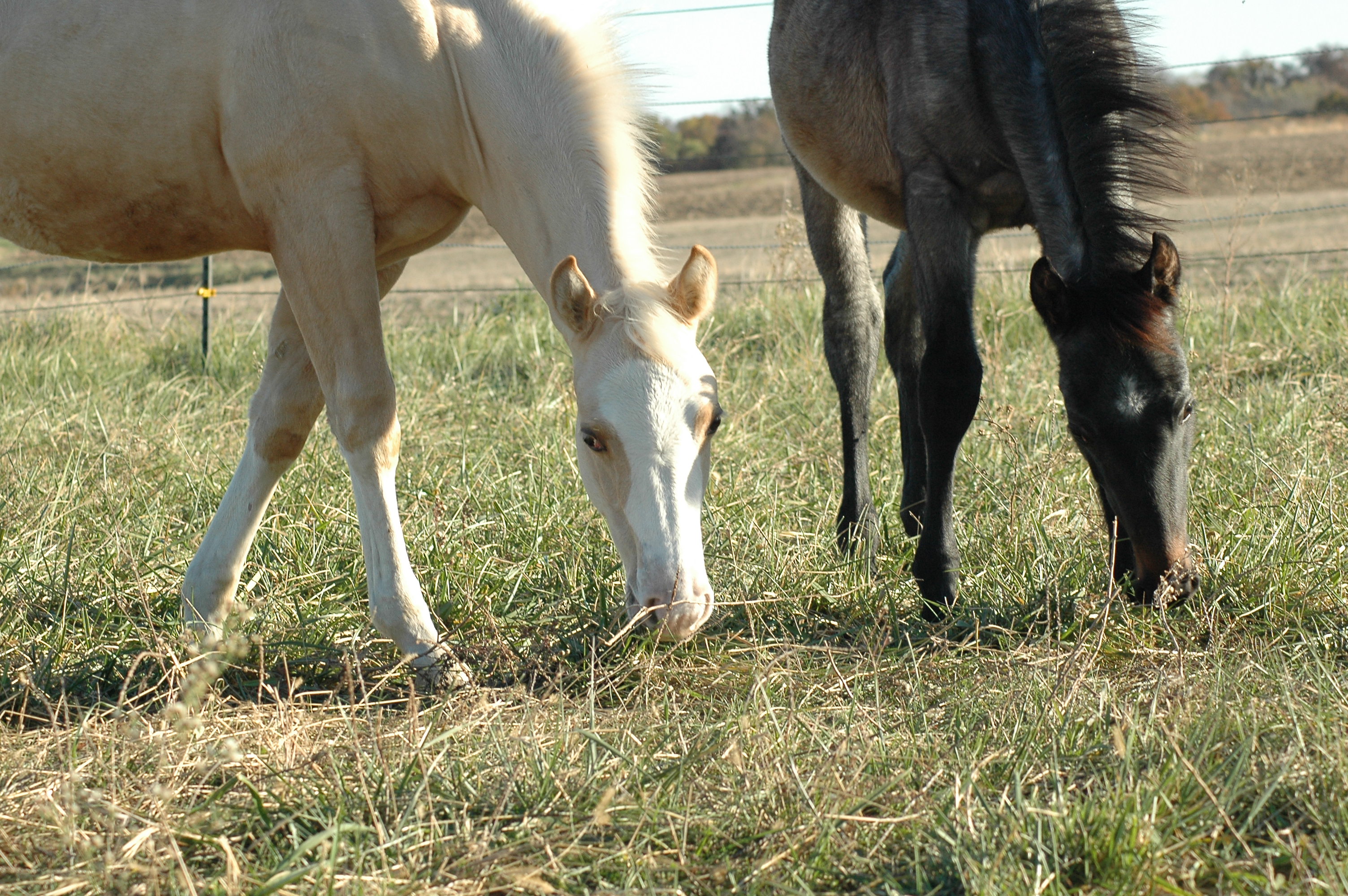
There’s something special about starting a young horse. There’s a softness in them, a curiosity, a quiet willingness you only get before the world has had the chance to teach them the wrong lessons. And because of that, developing a confident young horse isn’t a checklist or a timeline or a method. It’s a responsibility.
A young horse doesn’t just need a rider. They need a teacher, a translator, a calm presence, a patient leader – someone willing to meet them where they are that day, not where they “should” be according to a schedule. And that’s where so many programs go wrong, not out of cruelty, but out of misunderstanding or misplaced expectations. Horses get pushed too fast, or pushed in ways that create fear instead of clarity. Some get micromanaged into mechanical obedience. Others never learn how to use their body in a way that makes sense to them. Some get overwhelmed until the whole session turns into a fight instead of a conversation.
Confidence isn’t built that way. Confidence comes from balance – in their body, their emotions, their mind, and the relationship forming between horse and human.
It starts on the ground long before it ever starts in the saddle. Some people like to say groundwork is optional. It isn’t. Not here. The ground is where a young horse learns your language – how your body speaks, how pressure and release work, how to organize their feet instead of scattering them. It’s where they learn to follow a feel instead of brace against it, to shift their weight, to regulate themselves when pressure appears. The ground is where you teach vocabulary; the saddle is where you begin to form sentences. A young horse who struggles on the ground will struggle under saddle – not because they’re “difficult,” but because no one taught them how to succeed yet.
And softness… it’s a word that gets misunderstood more than people realize. Softness isn’t something you take away from a horse through pressure. Softness is what you give back through clarity. Softness isn’t fear. It’s understanding. It’s a quiet mind that can still think, still adjust, still search for the answer. A confident young horse follows the rein, the leg, the feel – not because they’re scared to do otherwise, but because the communication makes sense. They offer softness in their body because their mind is soft first.
You don’t want a horse that gives because they have to. You want a horse that gives because they understand – and because they trust that you will give back. That’s softness. That’s confidence. That’s partnership.
A young horse has no idea how to carry a rider yet, so teaching correct body use has nothing to do with pulling a head down or forcing a frame or running the legs off them to “get the bucks out.” A confident young horse learns how to lift through the base of the neck, engage the core, free the shoulders, soften the rib cage, and balance their own stride – not because someone forced the shape, but because someone taught the biomechanics behind it. When the body starts making sense, young horses blossom.
And breaks matter – far more than some people realize. The biggest difference between a pressured horse and a confident one is simple: a pressured horse stops thinking, a confident horse learns to think through the pressure. Quiet moments, a breath, a chance to stand and process… those things don’t slow a horse down. They teach the brain how to organize itself. Dopamine builds clarity and confidence. Adrenaline builds survival instincts. A well-timed break can teach more than an hour of drilling. Confidence grows in the pause, not the push.
And you have to be flexible. You might walk into the arena with a plan – maybe today you’re adding the trot under saddle, or shaping better self-carriage, or riding outside – and then the horse walks in with tension, a weather brain, a sore muscle, or a big feeling about something new. Confident horses are developed by trainers who adjust, not trainers who insist. You don’t always get to do what you intended. But you always choose how to respond. You can push past it, or you can pivot, break it down, slow down, simplify, and build trust instead of blowing past it.
Ending on the try is non-negotiable. Confidence doesn’t come from accomplishing everything – it comes from leaving the session feeling successful. Young horses need to end feeling understood, supported, rewarded for the effort (not perfection), mentally softer, physically more balanced, and emotionally capable. Ending on the try – even the smallest one – teaches them: “You found it. You did it right. You can trust me.”
And that’s the heart of it. A confident young horse isn’t an accident. It’s not luck. It’s not the product of shortcuts or domination.
A confident young horse is developed through patience and timing, softness and structure, thoughtful pressure and immediate reward.It comes from reading their emotional state, teaching them how to use their body, giving them space to think, and never punishing them for what they do not yet understand.
And more than anything: a confident young horse comes from a confident, adaptable human. When you show up with softness, clarity, flexibility, and fairness – they show up with curiosity, willingness, and trust.
That’s how confidence grows. That’s how a partnership begins.
- Southside Performance Horses
Photography By: Lucy Broadwater