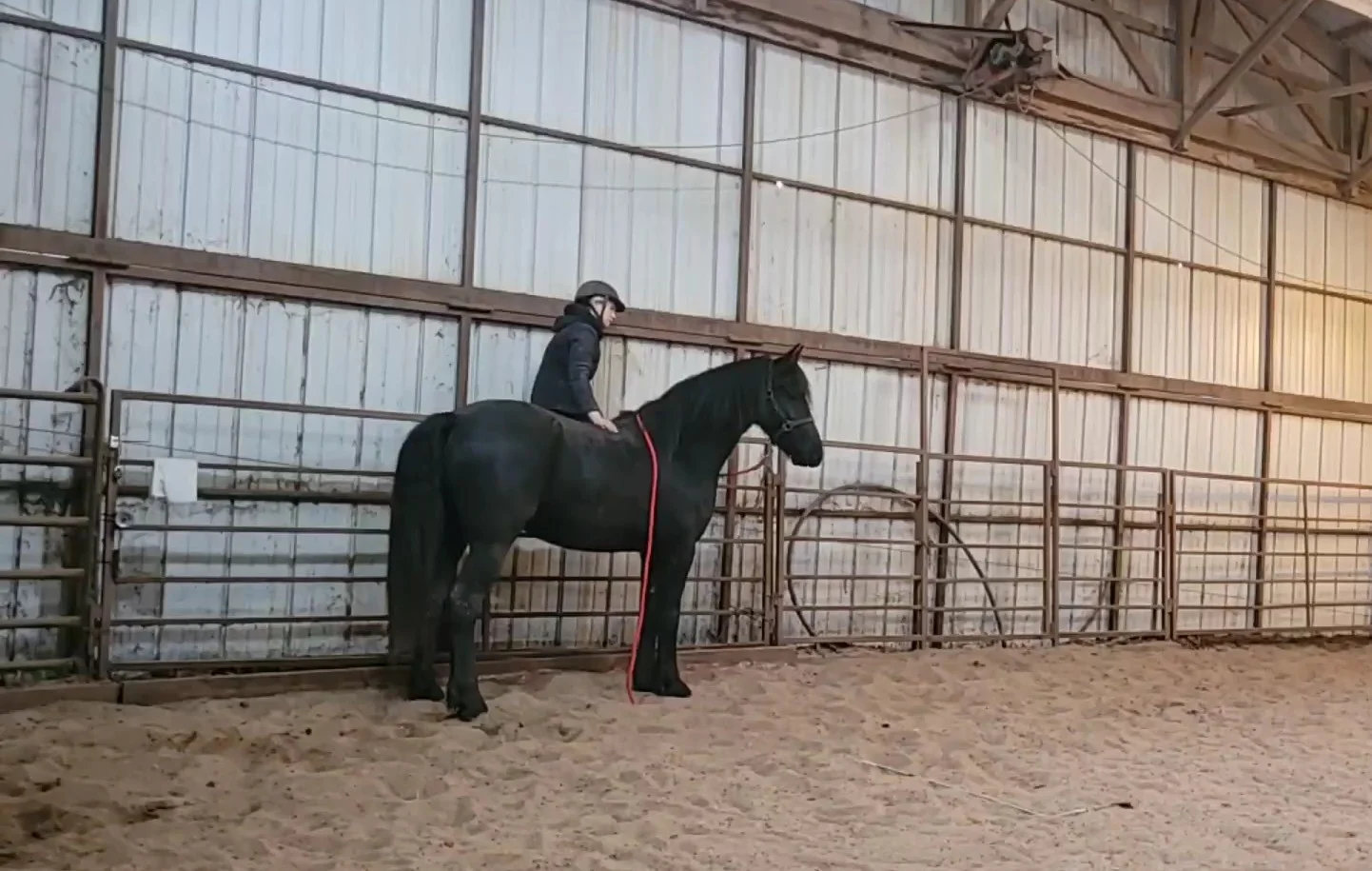
Soft connection in training

Training Programs

Horse-first, plan-driven, and tailored to the individual.

Our Training Philosophy

Every horse that steps off a trailer here is an individual. Different history, different mind, different body. Our job isn’t just to “put 90 days” on them—it’s to meet them where they are, help them understand the job we’re asking for, and send them home softer, more confident, and easier to get along with for the person on the other end of the lead rope.

Foundation First, Fancy Later

There’s a big difference between a horse that can technically walk, jog, and lope under saddle… and a horse that understands their rider, feels safe in their job, and has a clear foundation to build on.

  • Can this horse think through pressure instead of just react to it?
  • Do they understand how to search for the right answer and find release?
  • Are they learning to carry themselves in balance, not just move their feet?
  • Are we leaving them better for the next person who swings a leg over?

The buttons we work on early are the ones you’ll rely on years down the road. Whether you’re showing, ranching, trail riding, or simply enjoying your horse at home, a solid foundation is what everything else is built on.

Connection and Clarity Over Control

We use tools like halters, flags, ropes, saddles, and bits, but we don’t hide behind them. Tools themselves are neutral. How fair they are depends entirely on the hands and the timing behind them.

For us, that means clear, consistent releases so the horse knows when they got it right, breaking tasks into steps instead of pushing through a fight, reading tension and adjusting before a horse boils over, and holding high standards without drilling them into the ground.

We’re not trying to develop a horse that just “puts up with it.” We’re developing horses that understand the questions we’re asking and feel safe enough to try.

Matching the Plan to the Horse in Front of Us

A sensitive horse carrying past pressure will need a different approach than a laid-back colt that’s ready to step into a job. The principles stay the same: clarity, consistency, and fairness. The way they’re delivered changes with each individual horse.

  • Some horses need quiet, short sessions with lots of thinking breaks.
  • Others need to move their feet and be given a job to organize their brain.
  • Some can step into more technical work sooner.
  • Others need more time at the basics so their confidence doesn’t crack later.

That’s a big part of why our minimum for colt starting is three months: it gives us enough runway to get to know your horse, adjust our approach, and build something that actually sticks.

Honest Timelines and Realistic Goals

Not every horse is ready for the same job on the same timeline, and we don’t pretend they are. We’d rather be honest about where your horse is at than rush them to fit a deadline or a trend.

You can expect us to be upfront about what we think your horse is ready for, where they might need more time or a different track, what’s realistic for their age, build, history, and brain, and when it’s time to adjust goals so the horse can succeed.

You’re never just getting a highlight reel; you’re getting the real picture of how your horse is doing.

Partnership With Owners, Not Just Horses

We’re not training in a vacuum. At the end of the day, your horse is going home with you—not us. That means our job includes you, too.

  • Frequent photo and video updates so you can watch the process, not just the end result.
  • Open conversations about how things are going, what’s changing, and what we’re seeing.
  • Lessons built into training so you can feel the buttons we’ve worked on and ask questions in real time.

The partnership we’re building isn’t just between trainer and horse. It’s between you, your horse, and the way you communicate with each other.

The Heart Behind the Work

Progress means very little if a horse doesn’t understand how they arrived there. I’m not interested in forcing compliance or pushing a horse beyond what they can process emotionally. I care about building comprehension, stability, and trust. That begins with noticing the subtleties: a shift in posture, a softening through the body, a breath that settles the nervous system back into a thinking space. Those moments matter, and they’re rewarded, because they become the foundation for every true breakthrough that follows.

From the quiet, dependable stock horse to the sensitive, expressive sport horse, my standard remains the same. I want a horse that feels safe, soft, thoughtful, and capable of carrying themselves with confidence, and an owner who understands how to continue the conversation once they leave our arena. Training is never finished. It simply changes hands. What begins here becomes the partnership you carry forward at home.

Training Programs

Yearlings & Groundwork Minimum 1 month

Yearling groundwork

Age-appropriate groundwork that builds understanding, confidence, and good habits before under-saddle work ever begins. We focus on teaching young horses how to learn, how to respond to feel, and how to stay relaxed and attentive in new situations.

  • Leading, tying, picking feet, and trailer comfort
  • Yielding shoulders and hindquarters, backing with feel
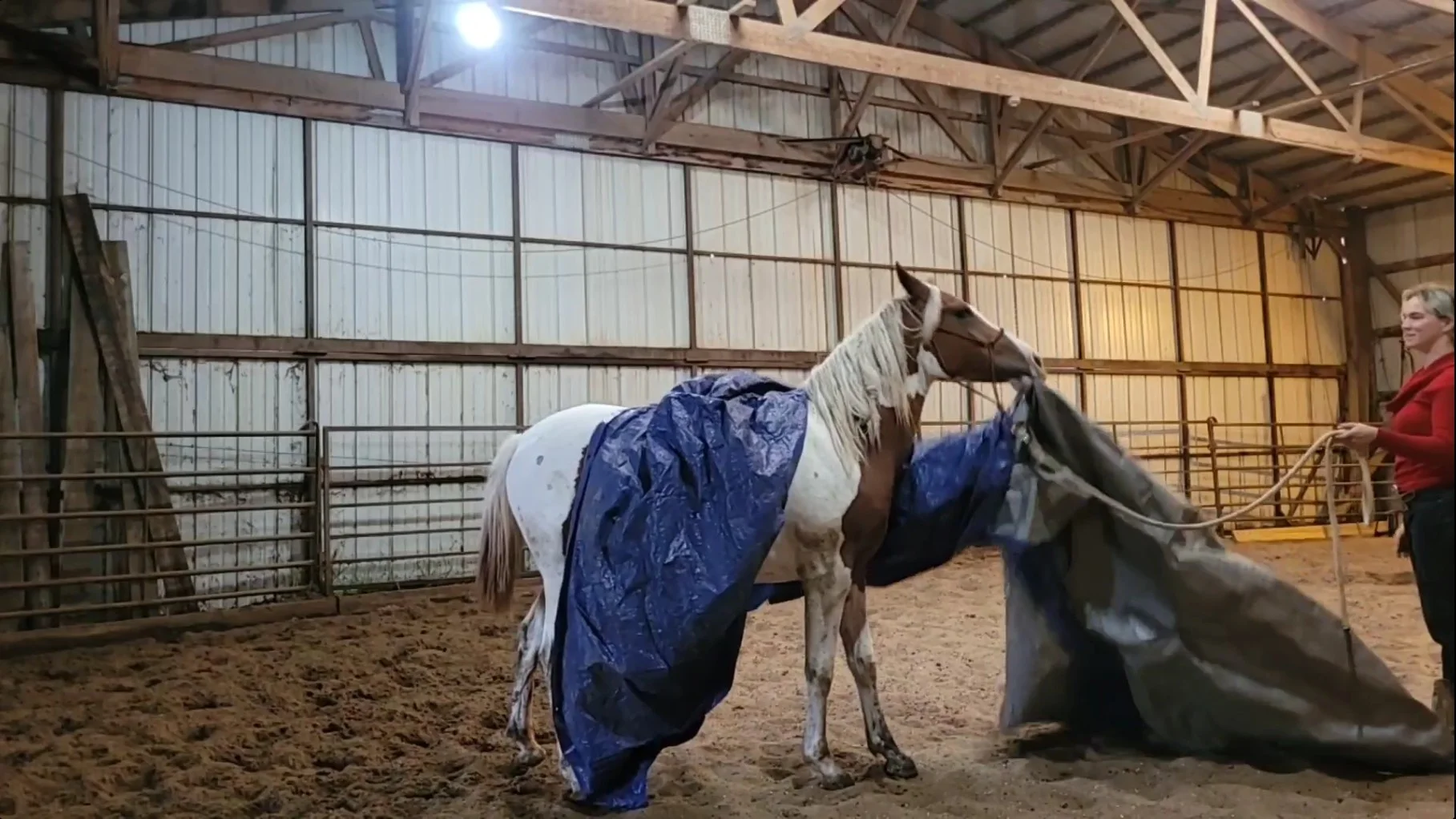
  • Confidence in new environments and around unfamiliar objects

Typical timeline: 1+ month with at-home homework to support progress.

Get on the schedule

Colt Starting Minimum 3 months

Colt starting under saddle

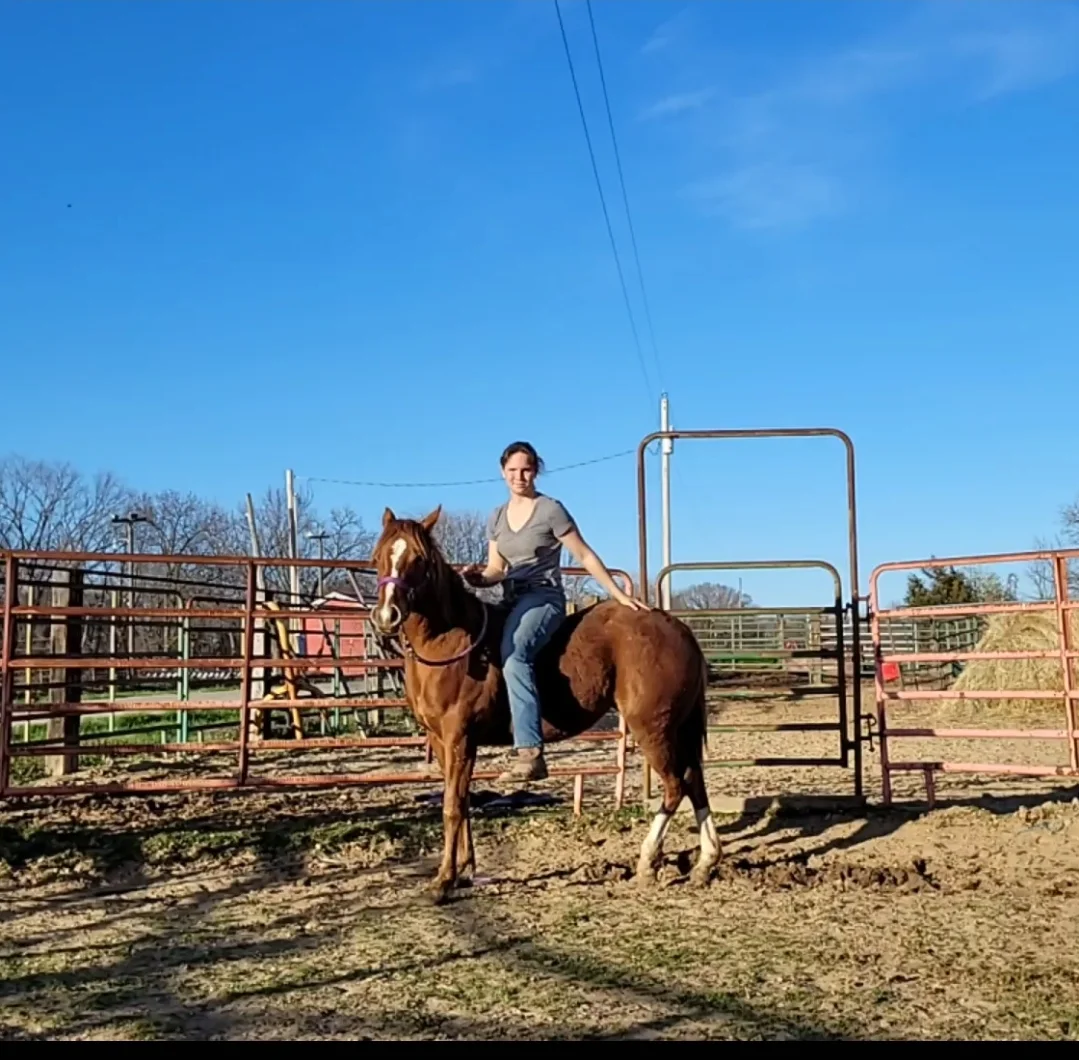
We start with the horse in front of us, paying close attention to body language, energy, and mindset so early rides feel clear, predictable, and confidence-building. Connection and trust guide every step from the first saddle to steering and balance.

  • Thoughtful introduction to saddling and mounting
  • Forward movement with rhythm, relaxation, and feel
  • Soft lateral and hindquarter control, brakes, and steering
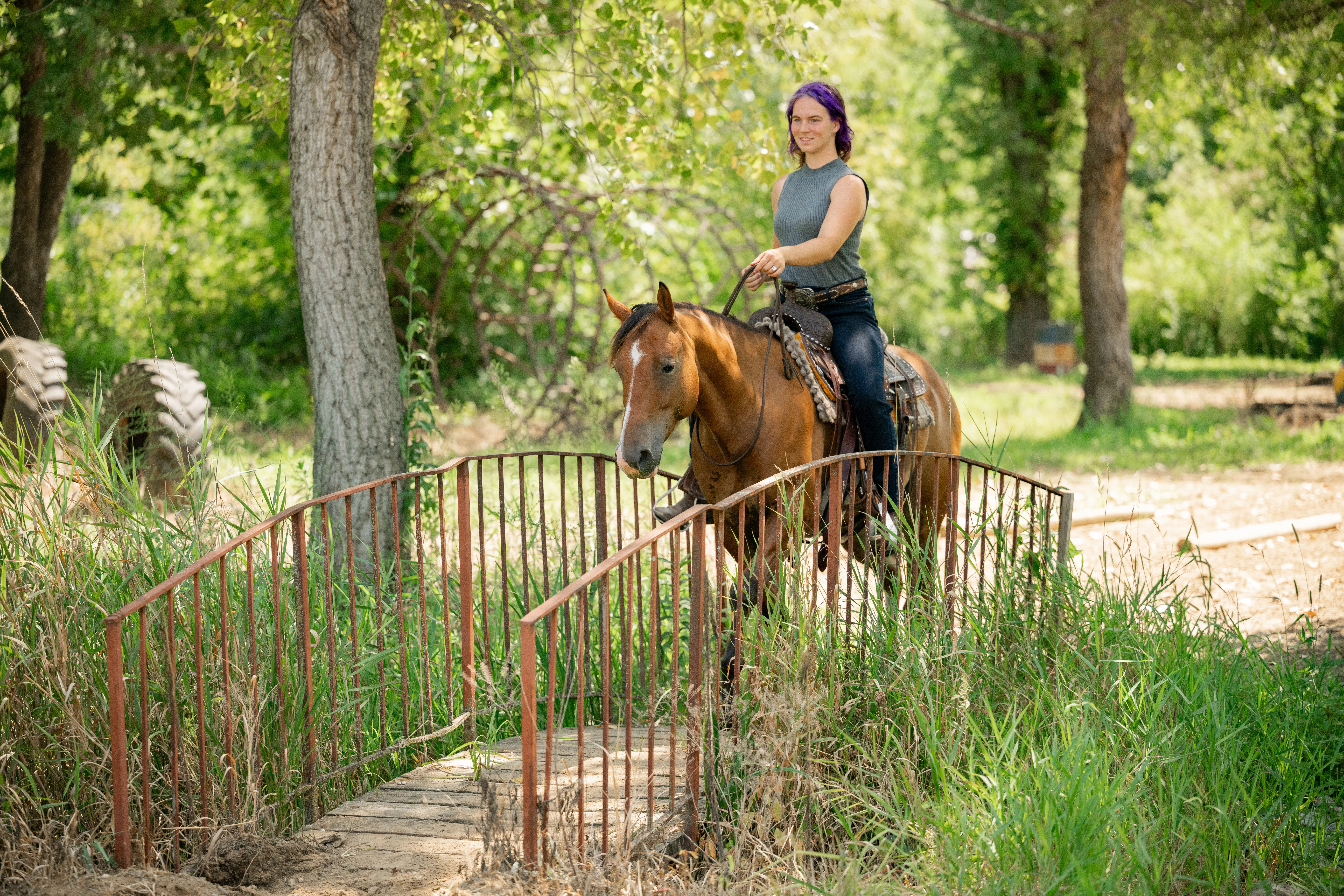
  • Age-appropriate exposure including obstacles, arena flow, and light trail work

Typical timeline: 3+ months depending on age and mindset.
Owner handoff: a pickup lesson to transfer cues and timing.

Ask about availability

Refreshers Minimum 1 month

Refresher rides

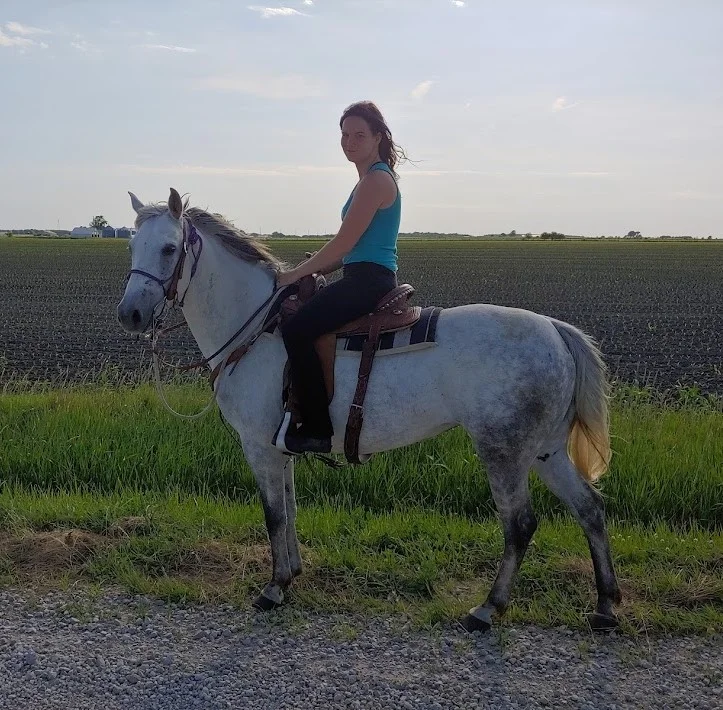
Designed for horses that have a foundation but haven’t been in consistent work. Refreshers focus on rebuilding clarity, relaxation, and responsiveness while addressing small gaps before they become larger issues.

  • Forward movement, transitions, and rhythm with relaxation
  • Improved softness and response to seat, leg, and hand
  • Exposure miles to restore confidence and consistency

Reach Out for Dates

Restarts & Problem-Solving Minimum 3 months

Restart and confidence building

Restart Programs are for horses that have been out of work for an extended period, often two or more years. We re-establish basics, rebuild confidence, and restore feel so the work is safe, clear, and sustainable.

Problem-solving: focuses on behaviors such as bolting, biting, charging, striking, rearing, or bucking. These situations are approached with empathy, clarity, and careful evaluation.

  • Rebuilding forward, brakes, and steering with softness
  • Calm exposure work and thoughtful, progressive mileage
  • Owner coaching to help maintain clarity at home

Important: if pain or discomfort is suspected, training alone is not the solution. We will ask about veterinary, farrier, chiropractic, and bodywork care to help rule out physical causes

Tell us what’s happening

Discipline-Specific Minimum 1 month

Discipline specific work

Western and English disciplines including showmanship, trail, dressage, ranch, horsemanship, jumping, and more. Programs are tailored to your horse’s experience level and your long-term goals.

  • Pattern polish and consistency
  • Rate, straightness, and quality transitions
  • Rider-horse communication and show preparation

Ask about your discipline

Liberty & Tricks Custom plan

Liberty and tricks

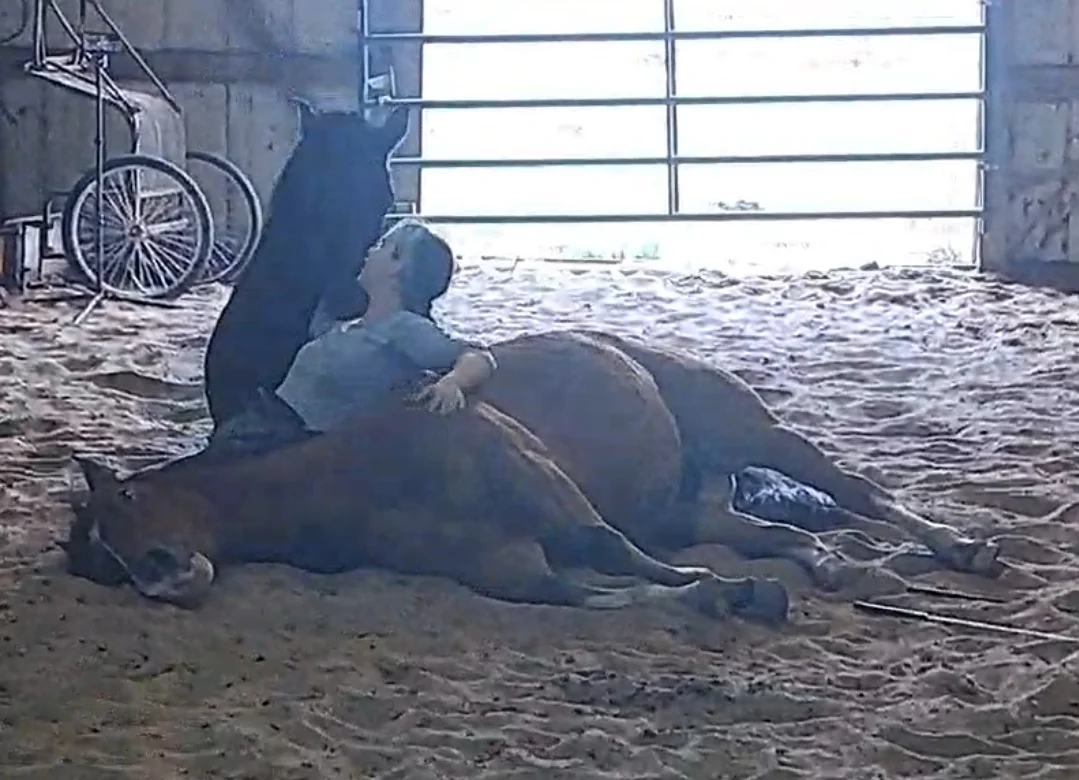
Liberty and trick work focuses on connection, attentiveness, and expression while reinforcing softness and clarity. This work is used thoughtfully so “fun” supports good fundamentals rather than creating holes.

  • Attention, draw, and correct release timing
  • Foundational tricks developed with safety and softness
  • A balanced blend of groundwork, liberty, and body control

Book Now - Limited Spots

Showing Trainer Showing

Training horse with her awards

Our Show Program focuses on developing horses for the demands of the show pen, not just attending events. We build confidence, polish fundamentals, and strengthen communication throughout the year so horses are prepared to perform with consistency and composure in competitive environments.

  • Ongoing training to refine buttons, balance, and responsiveness
  • Confidence-building exposure to busy environments and show atmospheres
  • Pattern execution, rate, straightness, and quality transitions
  • Thoughtful warm-up routines and ring composure
  • One-on-one coaching at shows
  • Honest feedback and a clear plan for continued development

Plan your season


Ready to discuss training?
Download our Training Contract (PDF) and send your dates. We’ll check availability and be happy to talk about options!

Current lead time: ~4–8 weeks for most programs (seasonal). We’ll confirm the first available that fits your horse.

Horse-First. Partnership-Driven.

Health & Safety

  • Current coggins
  • Core vaccines(5-way+)
  • Current on trimming, teeth, & deworming
  • Notify us of known injuries/behavioral history

Care & Communication

  • Thoughtful schedules and consistent routines
  • Progress updates & 3 one-on-one sessions per month of training
  • Quality hay and Triple Crown® Ration Balancer
  • Owner-provided supplements happily fed as directed
  • 12×12 stall with automatic waterer + attached 36 ft run (in/out as they please)
  • Clear expectations and honest timelines

For current rates, availability, and start dates, please reach out.

FAQs

Have a question you don't see here? Reach out! We are always happy to answer questions.

Why do you require a minimum of three months?

We require a three-month minimum because real training takes time - especially when we’re developing a safe, thoughtful foundation your horse can actually understand. The first few weeks are spent learning who your horse is: how they think, what helps them feel confident, and what pace they learn best at.

A baseline colt-starting goal typically includes walk, jog, lope, stop, and back - introduced with clarity, softness, and confidence. Some horses progress faster and are ready to add more; others use the full three months to become secure and consistent in those essentials. Both paths are normal.

Three months gives us enough runway to build understanding, exposure, confidence, and balance without rushing your horse past their emotional or physical bandwidth.

How often will I get updates while my horse is with you?

You’ll receive frequent updates — photos, videos, and honest check-ins about what your horse is doing well and where they’re still learning. You won’t just see the “perfect” moments; you’ll see the real process so you always know where your horse is emotionally and physically.

Every month of training also includes three free lessons with your horse. These lessons help you learn the cues, timing, and feel we’ve developed so everything transfers smoothly back home. The more you’re involved, the easier it is for your horse to succeed long-term.

Can we adjust goals if my horse needs something different than we planned?

Absolutely. Horses aren’t machines - they’re individuals, and their needs often shift as training reveals more about who they are. If something changes, we talk through it. If your horse needs a different pace or a slightly different path, we adjust together so they can succeed.

Life isn’t a straight line, and training isn’t either. Your horse’s emotional state, progress, confidence, and comfort will always guide our decisions. We’ll be transparent about what’s working, what needs adjusting, and what timeline supports them best.

Do you train all breeds and disciplines?

Yes - we work with all breeds, and every horse is approached as an individual rather than a stereotype. Over the years we’ve been fortunate to work with Nakotas, Belgians, Friesians, AQHA, APHA, Appaloosas, Friesian Sport Horses, OTTBs, Arabians, Mustangs, Tennessee Walkers, Rocky Mountain Horses, Mules, Welsh × Hackney crosses, Shetlands, Haflingers, and mixed breeds such as TB × Friesian × Morgan crosses.

Different breeds bring different tendencies, but training is always shaped around the horse in front of us - their mind, their emotional bandwidth, and how they learn.

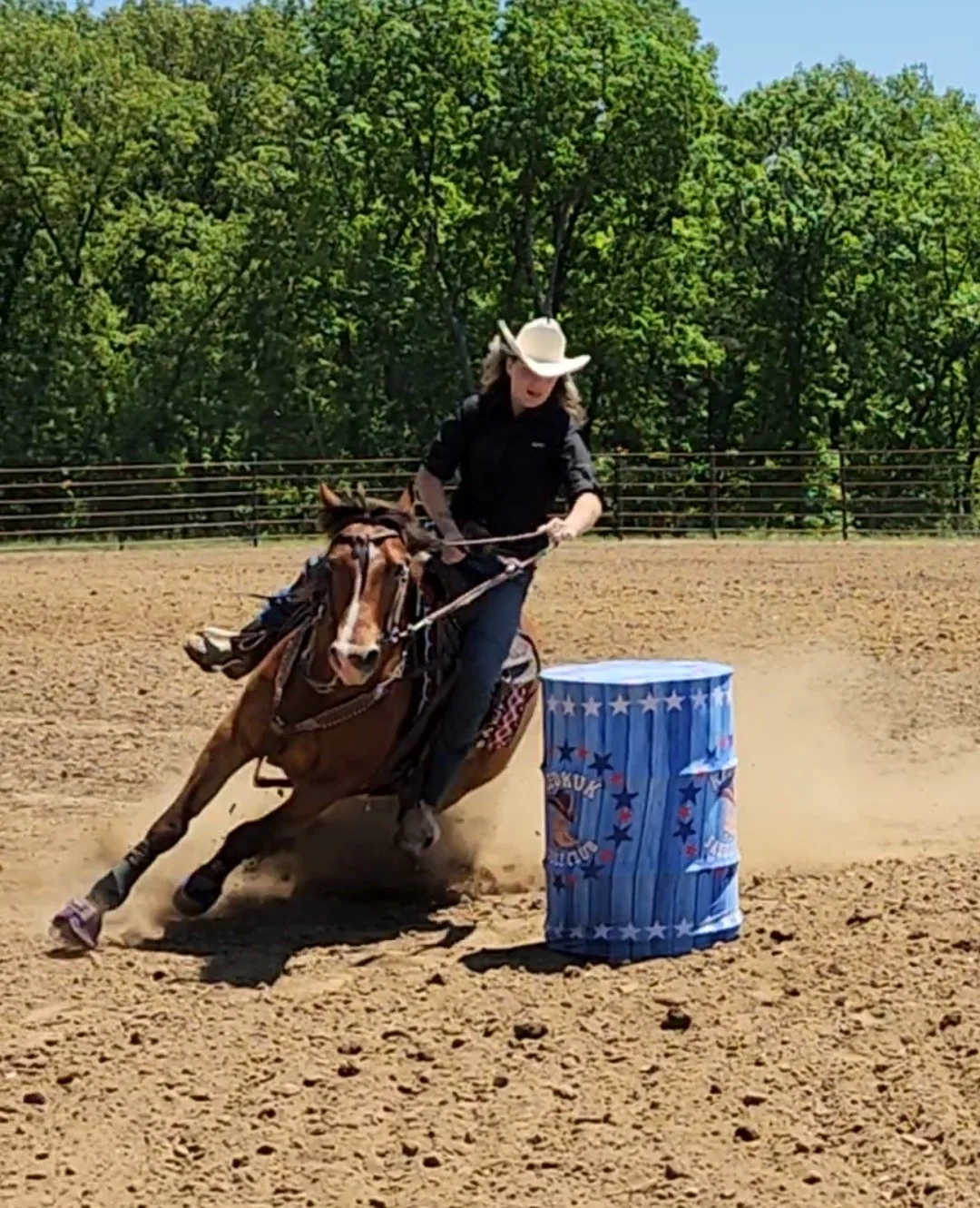
As for disciplines, we’ve ridden and trained in a wide range of areas including ranch, English pleasure, horsemanship, reining, trail, jumping, speed events, liberty work, and more. This variety gives us a wide foundation to draw from so we can build a training program that fits many types of horses and goals.

Do you offer refresher months or shorter stays for returning horses?

Yes - we offer several options for horses who already have a foundation and simply need miles, structure, exposure, or tuning. That can look like refresher months, discipline-focused work, confidence building, or show preparation.

The only programs with required minimums are colt starting and full restarts, because those foundations take time to develop safely and correctly. Everything else is flexible and shaped around your goals and your horse’s needs.

Do you take “problem” horses or just green horses?

We take both. Some horses simply need miles, exposure, and consistent communication. Others come with bigger feelings - sensitivity, confusion, defensiveness, fear, or past handling that didn’t set them up to succeed.

We don’t label these horses as “problems”. We look at why the behavior is happening. Most challenging behaviors come from misunderstanding, pressure without clarity, emotional overwhelm, or never being shown how to think through pressure instead of react to it.

We meet each horse where they are, support their nervous system, and rebuild confidence one layer at a time.

What happens if weather affects training days?

We are fortunate to have both indoor and outdoor spaces available, so poor weather rarely interferes with training. If it’s raining, windy, or snowing, we simply move indoors and continue working safely and consistently.

How did you get started training horses?

I’ve been around horses for about 20 years. Growing up, I had the opportunity to work with all kinds of horses - different breeds, personalities, and training levels - and those experiences shaped the way I communicate and train today. Horses like Tornado and Ellie made a huge impact early on, and Rocky and Onyx continue teaching me every single day.

I began taking on outside horses in 2020, and since then I’ve stayed committed to learning, refining, and building a program that keeps the horse’s emotional clarity at the center. Every horse has something to teach if we’re willing to listen.

What sets SPH apart from other programs?

At SPH, we don’t just train horses physically - we train them mentally and emotionally as well. We help horses learn how to think through pressure instead of react to it, how to follow a feel instead of brace against it, and how to stay curious instead of overwhelmed.

Our focus is on helping the horse understand their job, not just perform it. That’s where softness, willingness, and lasting partnership come from.

Do you help owners prepare for showing?

Yes - if an owner wants help preparing for showing, we can work on the skills, confidence, and communication needed to feel comfortable in the show environment. This may include lessons, pattern work, exposure-style rides, or helping you understand what your horse needs from you in the arena.

For horses in our show program, owners may also receive hands-on support at shows when it fits the horse and the situation.

Do you accept sponsorships / do you promote horses publicly?

Yes - we do accept sponsorships, and we’re very grateful for the support that has helped us compete more through 2024–2025. We also promote horses publicly when appropriate through social media, the SPH Journal, high-quality photos and videos, and visibility at events and shows.

What disciplines do you compete in?

Rocky competes in a wide variety of events - everything from in-hand classes and horsemanship to English pleasure, jumping, barrels, ranch, reining, trail, and poles. Onyx will be shown in dressage and may branch into eventing or driving as he develops.

We enjoy the variety these disciplines bring, and our horses tend to flourish when they’re allowed to explore different skills and stay mentally fresh.

Do you show client horses?

Yes - showing client horses is part of our broader Show Program. This includes training, schooling, conditioning, exposure, and competing when appropriate for the horse’s goals and readiness. Some horses show to gain experience, some for confidence, and some because their owners want their horses shown with the same clarity and communication we use at home.

If you're interested, reach out through our contact page and share more about your horse and your goals. We’ll help you build the right plan for your team.

Do horses need vaccinations or a Coggins before arrival?

Yes. Every horse must have current vaccinations and a negative Coggins before coming onto the property. This helps keep all horses safe and reduces the spread of preventable illness.

Do you haul horses?

Yes. We do offer hauling for vet, chiropractic, or dental appointments, as well as for shows, clinics, trail exposure, or off-site training when appropriate. Any hauling related to training is always done with owner approval.

What should I send with my horse?

Other than current health paperwork and any supplements your horse needs, we may also ask you to send your horse’s current bit or bridle so we can keep cues consistent with what they’re already familiar with.(Case by case)

Can I ride during training?

Riding opportunities depend on your horse’s needs and the reason they came to training. Each month includes three one-on-one sessions where you’ll get hands-on time with your horse. These sessions are designed to help you understand their progress and cues. It may not always mean riding, but you’ll always be actively involved in their learning.


“Kacey earned my horse’s trust—and mine. Respect without fear. Exactly what we needed.”

— Sherri Hunt & “Tulio”


Photos on this page provided by Dream Chasing Photography, Lucy Broadwater, and Jocelyn Moore.