
Horsemanship & Mindset
Leadership Is Not Dominance
Horses are suffering under the label of “training,” and the lines between leadership, dominance, and abuse have become dangerously blurred.
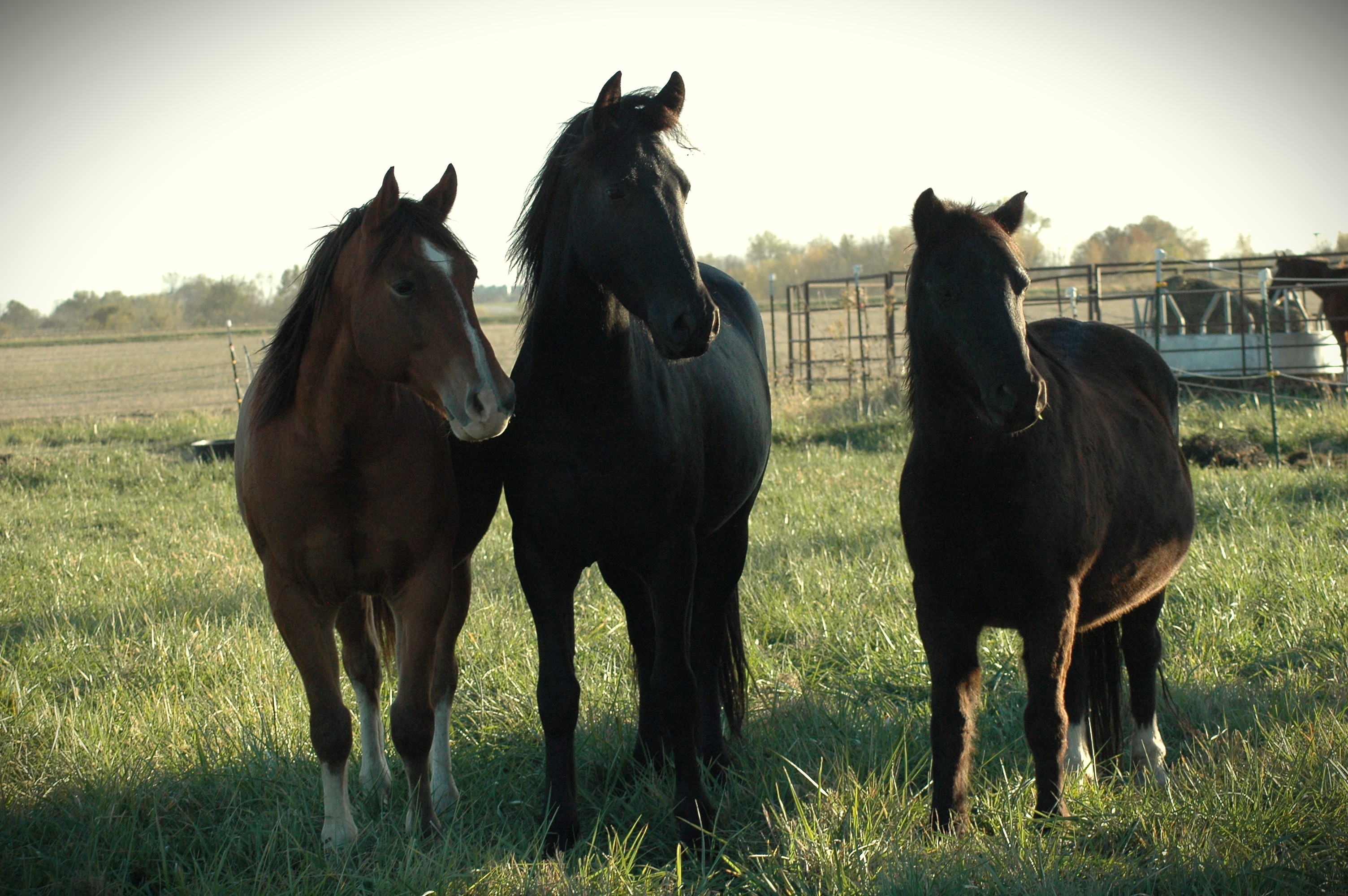
Not a manual. A conversation shaped by connection.
The SPH Journal is a place for reflection, observation, and honest conversation. These pieces come from real horses, real moments, and the lessons that surface when you slow down enough to notice them. This isn’t a space for formulas or final answers—just our perspective, shaped by experience, curiosity, and the horses who continue to teach us every day.
Horsemanship & Mindset
Horses are suffering under the label of “training,” and the lines between leadership, dominance, and abuse have become dangerously blurred.
Liberty & Connection
I didn’t start liberty because I knew what I was doing. I started because Tornado was teaching me—whether I understood it or not.
Communication & Mindset
Horses may not use words, but they are always communicating. Long before a halter goes on or a foot steps into the arena, a horse is already telling you exactly how they feel.
Communication & Responsibility
The horses that feel safest aren’t the most restricted—they’re the ones who understand their job and trust the response they’ll get.
When someone sends a horse into training, they’re trusting more than a program. They’re trusting the person behind it. These questions offer a glimpse into how I think, how I learn, and how I approach the responsibility of working with someone else’s horse.
Everything. There is something to learn from every horse and every experience, because no two horses think or feel the same way. Even when situations look similar on the surface, the way a horse processes pressure, change, or connection can be completely different.
What keeps me curious is how often horses surprise me with what they’re willing to offer once trust is fully established. When a horse understands that I will do everything I can to keep them safe, they often meet that with a willingness to try and a desire to keep me safe in return. That connection never gets old, and it’s what keeps me paying attention.
One of the biggest lessons horses continue to teach me is that understanding doesn’t always show up in obvious ways. A horse may appear quiet or compliant, but that doesn’t always mean they’re comfortable or truly processing what’s being asked.
With each new horse, I’ve learned to listen beyond what’s visually obvious and to pay attention to subtle changes in feel, tension, and mental presence. Recent horses and experiences have directly shaped adjustments we’ve made to our current programs. The horses are just as much my teachers as I am theirs, and that balance keeps my training evolving.
Early on, I believed there was a standard timeline I was supposed to measure myself against, especially when it came to colt starting. The industry expectation often suggested that a horse should reach certain milestones within a fixed period of time, and I felt that pressure, even though it didn’t fully align with how I worked.
Even when we offered one month colt starts, horses were never pushed to fit a timeline that didn’t feel fair to them. The goal was always to build the basics most owners expect, walk, jog, lope, stop, and back, but from the beginning, owners were told that how and when those pieces came together would depend on the horse. Progress was never guaranteed by the calendar, only guided by how each horse learned and processed information. The real learning curve for me wasn’t changing how I trained, it was learning to trust that approach fully.
Over time, through experience, conversations with clients, and letting each horse show me what they needed, I became more confident in building programs that allowed space for individual development. Our current three month colt starting program still works toward clear goals, walk, jog, lope, stop, back, and side pass, but the path through those months looks different for every horse. Some progress quickly in certain areas, others take more time, and owners are aware of that from the start.
Moving to a longer program gave both horses and owners more room to understand the process, not just the end goal. It reinforced that taking the time a horse needs is not falling behind, it is building something that lasts. What I once thought I had to justify became something I could stand behind with confidence. The horses confirmed that slowing down, listening closely, and adjusting when needed was not only okay, it was essential.
Energy is usually the first thing I notice, especially when a horse steps off the trailer. Before any formal work begins, that initial response tells me a lot about how a horse handles new environments and transitions.
As the horse settles, more layers begin to show, including personality, emotional patterns, and what feels normal for them. Once work starts, they reveal even more through how they respond, try, and communicate. That unfolding process is one of the parts of training I enjoy most, because it’s where learning really begins.
Every interaction with a horse is training, whether we intend it to be or not. Sometimes horses are learning physical skills and cues, and other times they’re learning about our energy, our timing, and what we notice or miss.
They learn when pressure is released, when boundaries are enforced, and when affection is freely given. Progress isn’t only measured in maneuvers or milestones. It’s built through consistency, awareness, and the small moments that shape how a horse feels about their work and their person.
The horse’s well-being always comes first, and that guides every decision I make. When something feels off, whether physically or mentally, it’s my responsibility to notice it and bring it to the owner’s attention so we can decide together how to move forward.
That might mean adjusting the plan, involving a veterinarian, chiropractor, dentist, or bodyworker, or simply giving a horse more time. While goals matter, they’re never worth compromising soundness, safety, or trust. My role isn’t to override an owner’s wishes, but to offer honest feedback, explain what I’m seeing, and work collaboratively toward what’s best for both the horse and the person who loves them.
I may not always have the perfect answer, but I’m committed to approaching every situation with care, transparency, and respect for the horse and the owner alike.
Most days, adaptation starts with listening. If a horse is offering something different than what I expected, I’m willing to adjust the plan. Sometimes that means moving forward into something new. Other times it means slowing down, simplifying, or finding a good place to pause so the horse can process and leave the session feeling successful.
There’s an important distinction I pay attention to, though. When a horse doesn’t understand the question or is working through something new, that’s when I’m quick to soften, break things down further, or step back to clarity. But when a horse does understand what’s being asked and chooses to ignore it, check out, or be lazy about the response, my approach changes.
In those moments, I may get a bit more firm, add an additional aid, and ask again, then fully reward the effort once the horse follows through. That is how accountability is built: teaching a horse to carry themselves, stay mentally present, and respond without needing constant pressure. Clarity and follow through matter just as much as softness.
There are also days when feel guides the session in a different way altogether. Occasionally, I get a strong sense that a horse is ready to try something that is not technically on the schedule. When a horse offers something willingly, stays relaxed, and remains mentally present, I am open to exploring that, even if it looks more advanced on paper. Those moments often come from trust, not pressure.
Like anyone, I’m human. Outside stress, time constraints, or fatigue can creep in, and I work to stay aware of that so it doesn’t spill into the work unfairly. When I feel frustration rising, that’s a cue for me to reassess, slow myself down, and make sure I’m still being clear and fair.
At the end of the day, adapting isn’t about abandoning structure or sticking to a plan at all costs. It’s about reading the horse in front of me, knowing when to soften, when to follow through, and when to trust the feel that says, this moment is asking for something different.
When a horse comes into our program, they’re treated with the same care and respect as our own. I believe transparency is essential, because that’s what I would expect if I were sending my horse to someone else.
If something feels off physically, mentally, or within the work itself, owners are told right away. Client horses are not projects or numbers. They are individuals with their own needs, voices, and limits. My responsibility is to listen to them, advocate for them, and keep owners informed so we can work together as true partners throughout the process.
Liberty & Connection
I didn’t start liberty because I knew what I was doing. I started because Tornado was teaching me—whether I understood it or not.
Liberty & Listening
Liberty stopped feeling light when I started chasing an image instead of listening to the horse in front of me.
Communication & Responsibility
The horses that feel safest aren’t the most restricted—they’re the ones who understand their job and trust the response they’ll get.
Philosophy & Training
Horses don’t learn from drilling. They learn from clarity. And somewhere along the way, some riders mixed up those two ideas as if they were the same thing.
Communication & Mindset
Horses may not use words, but they are always communicating. Long before a halter goes on or a foot steps into the arena, a horse is already telling you exactly how they feel.
Young Horse & Foundation
There’s something special about starting a young horse. There’s a softness in them, a curiosity, a quiet willingness you only get before the world has had the chance to teach them the wrong lessons.
Horsemanship & Mindset
Horses are suffering under the label of “training,” and the lines between leadership, dominance, and abuse have become dangerously blurred.
Training & Mindset
Every horse arrives with their own story—their own history, their own level of confidence, their own way of thinking and learning. Training isn’t something you copy and paste from one horse to the next.
Feel & Training
Forward is one of the most misunderstood feelings in horsemanship. True forward has almost nothing to do with speed and everything to do with the horse’s mind.
Sensitive Horses & Patience
Some horses don’t just move through the world—they feel every inch of it. Every sound lands deeper. Every shift in energy hits harder.
If something here resonates with you, we’d love to visit about your goals and how we can help.